Dragonlance History: From the Ages to the War of the Lance
Discover the history of Dragonlance: from the Ages of Krynn to the Cataclysm and the War of the Lance. The epic saga that defined fantasy RPG.
Dragonlance History: From the Ages to the Cataclysm and the War of the Lance
There is a man in the Great Library of Palanthas who never stops writing.
He was there during the fall of Istar. He was there during the Cataclysm. He was there when the dragons returned to the world for the first time in centuries. His name is Astinus of Palanthas — and some whisper that he is, in fact, the god Gilean himself, recording the history of the universe on scrolls that never end.
The Iconochronos — the scrolls of Astinus — are the source of Dragonlance's history. And that history is one of the most epic ever built for a fantasy RPG setting.
(See our introductory post on the Dragonlance setting to understand the cosmology of Krynn that gave rise to all these events.)
The Five Ages of Krynn: how a world was built and destroyed
Astinus divided the history of Krynn into five great ages. Each represents not just a period of time, but a fundamental shift in the balance between the forces that govern the universe.
The Age of Dreams — the primordial times, when the gods still walked openly through the world. The elves were the first to awaken. The gnomes were created by Reorx as punishment for proud humans. The Graygem of Gargath created kender and dwarves. And Huma, the most perfect of the Knights of Solamnia, lived and died here — banishing the Queen of Darkness with a Dragonlance forged in sacrifice and love. No one knows exactly how long this Age lasted. Even Astinus is vague about it.
The Age of Light — the rise of the elven civilization of Silvanesti as the cultural center of the world. It was here that the Knights of Solamnia were founded by Vinas Solamnus — a commander sent to crush a rebellion who discovered the rebels were right, and chose their side. A fragile but real peace governed Ansalon.
The Age of Might — the rise of humanity. The Empire of Istar grew to dominate the known world. It was the age of great temples, flourishing arts, and powerful armies. And also the age of the growing arrogance that would bring everything crashing down.
The Age of Darkness — begins with the Cataclysm, in year 0 AC. The world literally splits apart. Istar sinks. Mountains of fire rip through the landscape. Three hundred years of darkness, famine and despair follow.
The Age of Dragons — begins when Takhisis finds the remains of the Temple of the High Priest in the Abyss and uses its fragments to open a portal back to the world. The evil dragons return. The Dragonarmies form. The War of the Lance begins.
The Cataclysm — when human arrogance destroyed the world
To understand the history of Dragonlance, you need to understand the Cataclysm. Not just as a historical event, but as a moral argument.
During the Age of Might, the Kingpriest of Istar gradually took increasing control over public life. Marriages required clerical approval. Commercial contracts required clerical approval. Entire races — goblins, ogres — were declared inherently evil and sentenced to extermination. Clerics roamed Ansalon with ESP powers to detect evil thoughts, because the Kingpriest had decreed that evil thoughts constituted evil acts.
And then came the final decree. The Kingpriest demanded that the gods grant him the power to destroy Evil directly. He did not ask. He did not pray. He demanded.
The gods answered.
Thirteen warnings preceded the end — one per day. Trees wept blood. Fires died for no reason. Cyclones struck the very Temple of the Kingpriest. On the thirteenth day, mountains of fire fell from the sky.
Istar was destroyed instantly, its remains sinking to the bottom of what would become the Blood Sea. Ergoth was split into islands. New seas flooded the center of Ansalon. The port of Tarsis — a prosperous coastal city — woke up far from the sea, isolated in the middle of a reconfigured continent.
But the most devastating of all: the true clerics vanished.
For three hundred years, there was no true healing in Krynn. No miracles. The gods withdrew their representatives from the world as punishment for humanity's arrogance. Only charlatans called Seekers tried to fill the spiritual void — clerics with no real power, feigning a divine connection that no longer existed.
The Cataclysm is the foundation of everything in Dragonlance. It is the collective trauma that shapes every character, every nation, every moment of hope and despair that follows. Without understanding what was lost, it is impossible to understand what is at stake when the Queen of Darkness returns.
And there is a devastating irony: the Kingpriest of Istar was, technically, a man of Good. Utterly devoted to eradicating Evil from the world. So convinced of his own goodness that he could not imagine being wrong. Goodness without humility can be as destructive as Evil with intent.
Practical tip: A campaign set in the years immediately after the Cataclysm — before the War of the Lance — is perfect ground for original stories. The world is broken, the true clerics are gone, the Knights are in public disgrace. There is no richer setting for characters who must find their own way without divine guidance.
The War of the Lance — the battle that defined Krynn
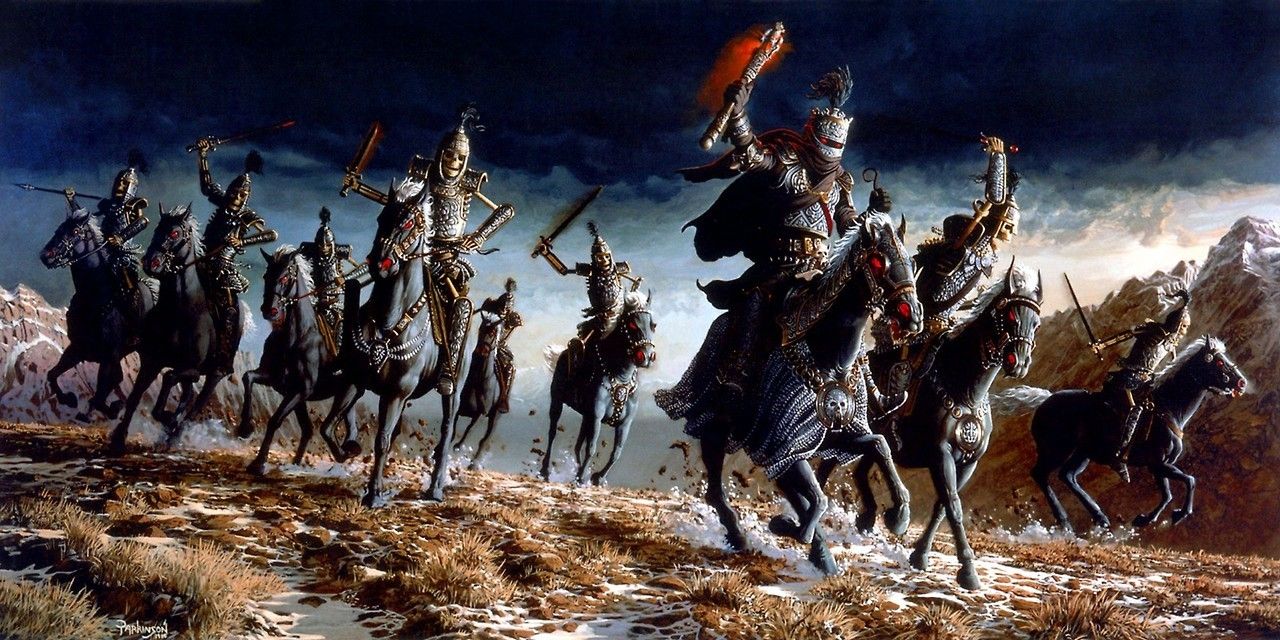
In the year 348 AC, the snows of the mountain passes around Neraka melted — and with them came the Dragonarmies.
Takhisis had spent decades preparing her return. Her evil dragons awoke in secret. They stole the eggs of the good dragons and hid them in volcanoes — using them to blackmail the good dragons into staying out of the war through an Oath of Neutrality. With the good dragons immobilized, no force in Krynn could resist the Dragonarmies.
The first years of the war were devastating. The Dragonarmies swept through eastern Ansalon without significant resistance. Nordmaar fell. Goodlund fell. The elves of Silvanesti fought with ferocity — but King Lorac, desperate, used a Dragon Orb to try to save the kingdom. The Orb imprisoned him, transforming the entire elven forest into a living nightmare fed by the king's own terrors.
In 351 AC, the war reached the west. The plains of Solamnia were invaded. The Knights — disunited, slow and divided — were too slow to respond. Qualinesti fell. The elves fled to Ergoth.
The turning points that saved the world
But then came the changes.
The Whitestone Council at Sancrist united the survivors of the free nations. Theros Ironfeld arrived carrying a Dragonlance — the first forged in centuries, made from the sacred metal found in the rediscovered tomb of Huma. The battle of the High Clerist's Tower marked the first time a Dragonarmy was forced to retreat from a battlefield.
And then the decisive revelation: a small band of heroes infiltrated the temples of the Highlords in Sanction and discovered the betrayal of the good dragons' eggs. The news reached Dragon Island. And the good dragons — released from the Oath — entered the war with fury accumulated over decades.
Good dragons bearing knights wielding Dragonlances. It was a force the Dragonarmies had never faced. The advance of the Whitestone Forces was relentless.
The Dragonarmies began to fracture — because the Highlords could barely cooperate among themselves, each more interested in personal power than collective victory. Takhisis had built her army on Evil, and Evil, as always, ended up devouring itself.
The siege of Neraka, in the year 352 AC, was the end. Takhisis was prevented from crossing the portal by the one man who could close it definitively: Berem Everman, the man with a fragment of the Temple embedded in his chest, whose dead sister inhabited the stone and sealed the Queen's passage. The War of the Lance ended.
But Krynn was unrecognizable.
The characters who gave this history its faces
One of the great things about Dragonlance's history is that it has real faces. It is not a saga of anonymous armies — it is the story of specific people in impossible moments.
Huma Dragonbane lived millennia before the War of the Lance, but his shadow falls over every Knight of Solamnia. Barred from entering the Order of the Rose for lacking sufficient royal lineage, he nonetheless became the most perfect of knights — and sacrificed his life and his love to banish the Queen of Darkness. His tomb, rediscovered during the war, provided the metal for the new Lances.
The Kingpriest of Istar is the setting's most important warning. A man of absolute Good who destroyed the world because he confused conviction with wisdom. Kender — who revere no one — were the only ones capable of seeing him as he truly was: a middle-aged man with frightened eyes and incipient baldness.
Raistlin Majere bears the cost of the Test of High Sorcery in his own body: ruined lungs, golden skin, eyes that see everything in constant decay. His sole ambition is to become a god. His only true love, buried under layers of hatred and jealousy, is his twin brother Caramon. Raistlin's arc is the central question of the Legends: what do you sacrifice to get everything you want?
Tanis Half-Elven is the hero who didn't want to be a hero. Belonging to neither the elven nor the human world. The man who guided the heroes of the War of the Lance while wrestling with the shadow of Kitiara — the Dragonarmy commander who was once his deepest love.
Tasslehoff Burrfoot proves that a kender can change the fate of the world — usually without realizing exactly what he's doing, and always by accident.
How to experience this history: reading and campaign
The best way to experience Dragonlance's history is through the Chronicles trilogy — three volumes that follow the heroes from the start of the War of the Lance to its epic conclusion.
To dive into the story of Raistlin and Caramon in the post-war period — including time travel, the Cataclysm seen from within, and the attempt to challenge the gods themselves — the Legends trilogy is the second major trilogy, and possibly the setting's most complex story.
To run a campaign set during the War of the Lance using D&D 5e mechanics, the sourcebook covers the full conflict with subclasses, factions and the historical context you need to bring the campaign to life.
Practical tip: Place your players in the timeline right after Mishakal's return in 351 AC — when true clerics are still a novelty, the Knights are still trying to reorganize, and the Dragonarmies are at the height of their power. The characters enter the world at a moment when every decision matters and nothing is guaranteed.
Why Dragonlance's history still matters
Many fantasy worlds have histories. Few have arguments.
The history of Krynn is an argument about what happens when pride replaces faith. About the cost of demanding from the gods instead of trusting them. About imperfect heroes who save the world not despite their flaws, but sometimes because of them.
Raistlin should not have survived the Test of High Sorcery. Tanis should not have led anyone. Tasslehoff should not have mattered to the fate of the world.
And yet.
That is Dragonlance's formula: the story belongs to unlikely people in impossible moments. And it never grows old.
(See our post on Dragonlance's factions to understand how Knights, Mages and Clerics lived through these historical events from the inside.)
Which moment of Dragonlance's history impacted you the most? The Cataclysm, the battle of the High Clerist's Tower, the fate of Raistlin? Tell us in the comments — and share it with anyone who doesn't know this saga yet. Sometimes a single conversation is all it takes to start a new campaign.
Recommendations
Related books & products
Dragonlance: Crônicas Vol. 1 — Dragões do Crepúsculo do Outono
O início da saga épica de Krynn por Weis & Hickman.
Dragonlance: Crônicas Vol. 2 — Dragões da Noite do Inverno
A guerra continua em Krynn neste segundo volume.
Dragonlance: Crônicas Vol. 3 — Dragões do Alvorecer da Primavera
O desfecho da trilogia das Crônicas de Dragonlance.
As an Amazon Associate, I earn a small commission from qualifying purchases — at no extra cost to you.
Posts relacionados
Dragonlance Gods: Complete Guide to Krynn's Pantheon
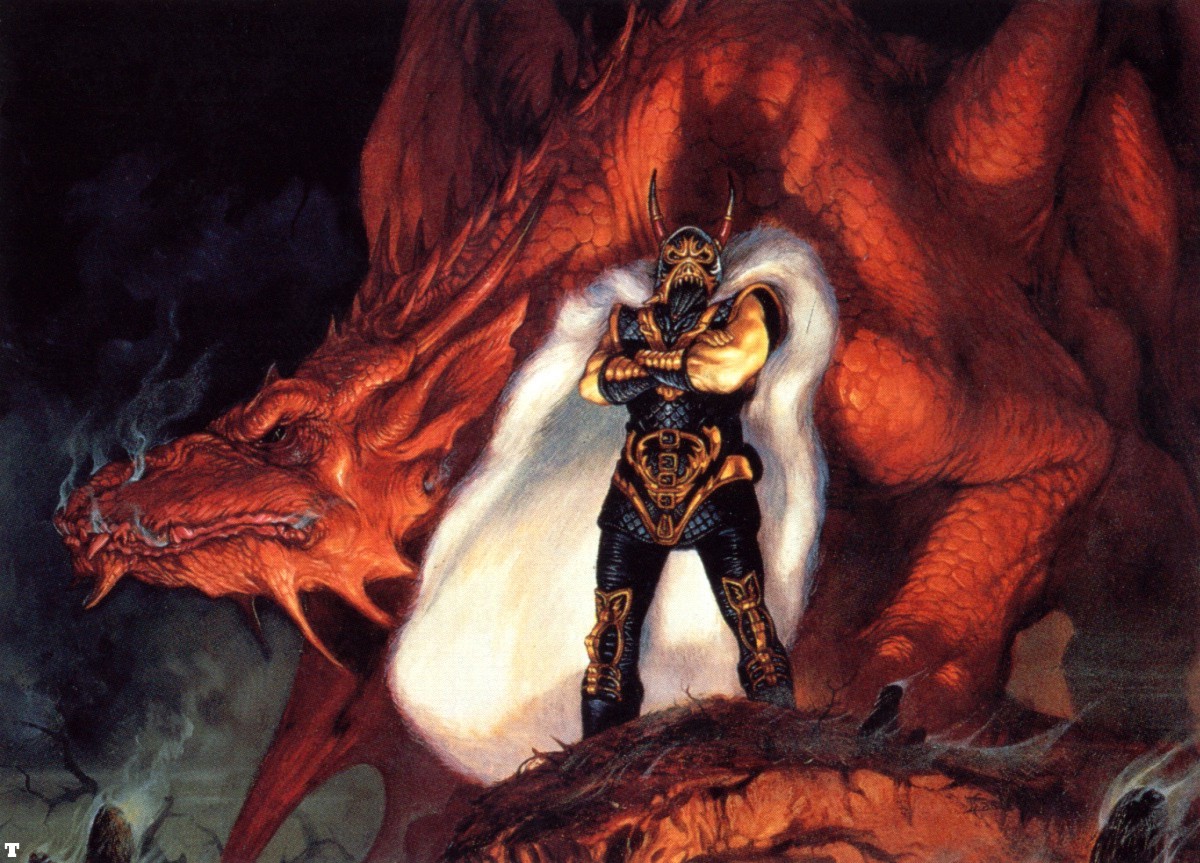
Meet the gods of Dragonlance: Paladine, Takhisis, Mishakal and all 21 gods of Krynn. The pantheon that shaped the entire history of the setting.
Dragonlance Magic Items: Complete Guide to Krynn's Artifacts
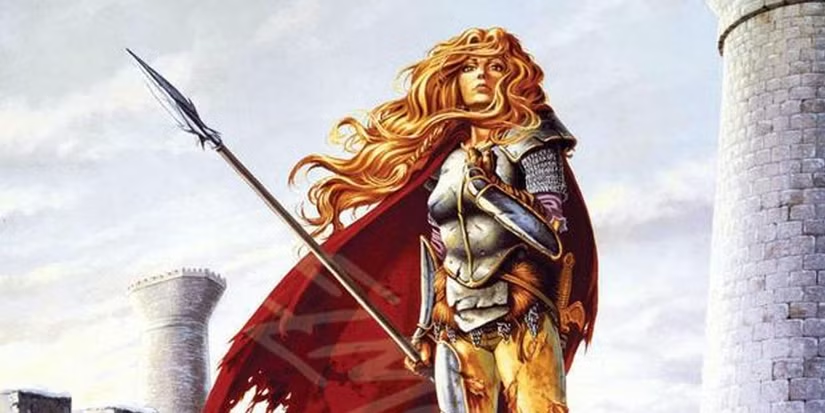
Discover Dragonlance's magic items: Dragonlances, the Staff of Magius, Dragon Orbs and more. The artifacts that defined Krynn.
Dragonlance Creatures: Draconians and the Dragons of Krynn
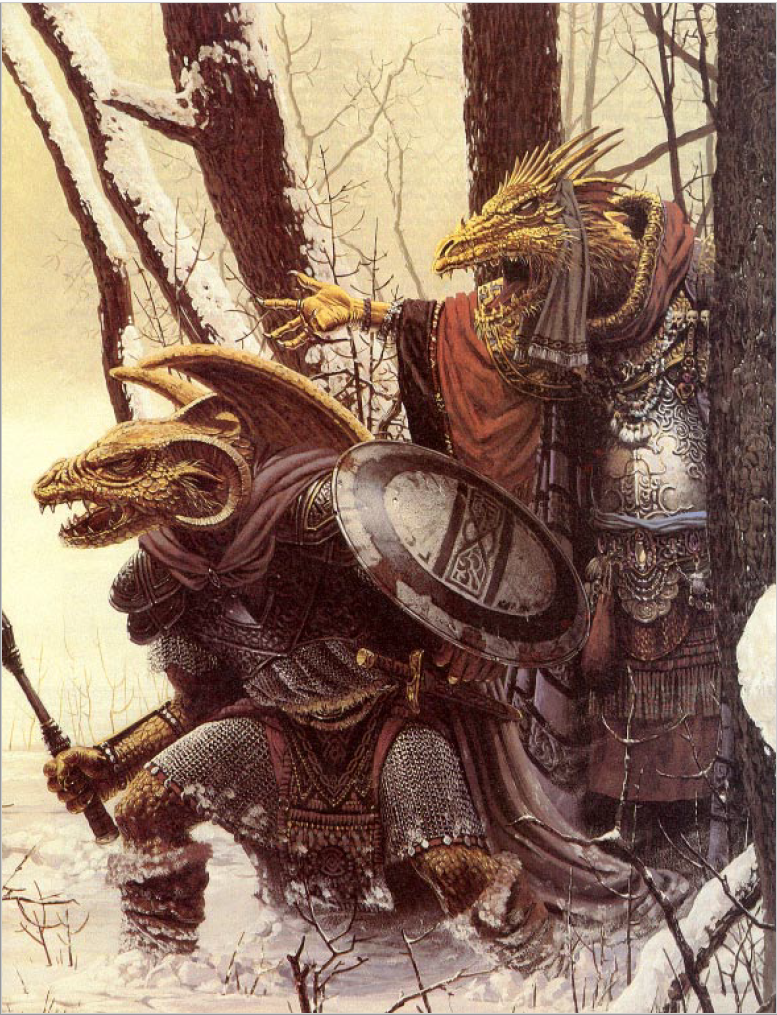
Meet the Draconians and dragons of Krynn: the unique creatures of Dragonlance that made the setting unforgettable for fantasy RPG.
Comments
Loading comments…
Log in to leave a comment: